40°52′N · 15°18′E · 650 m s.l.m.
A precise placeon a map
The WWF Oasis of Conza della Campania drives everything we do. Clay, water, wild blooms, the Apennine wind: every part of this landscape ends up in our jars.
- Apiary altitude
- 650 m
- Protected WWF Oasis
- 3,700 ha
- Bird species
- ~170
- Nectar-bearing plant species
- 40+
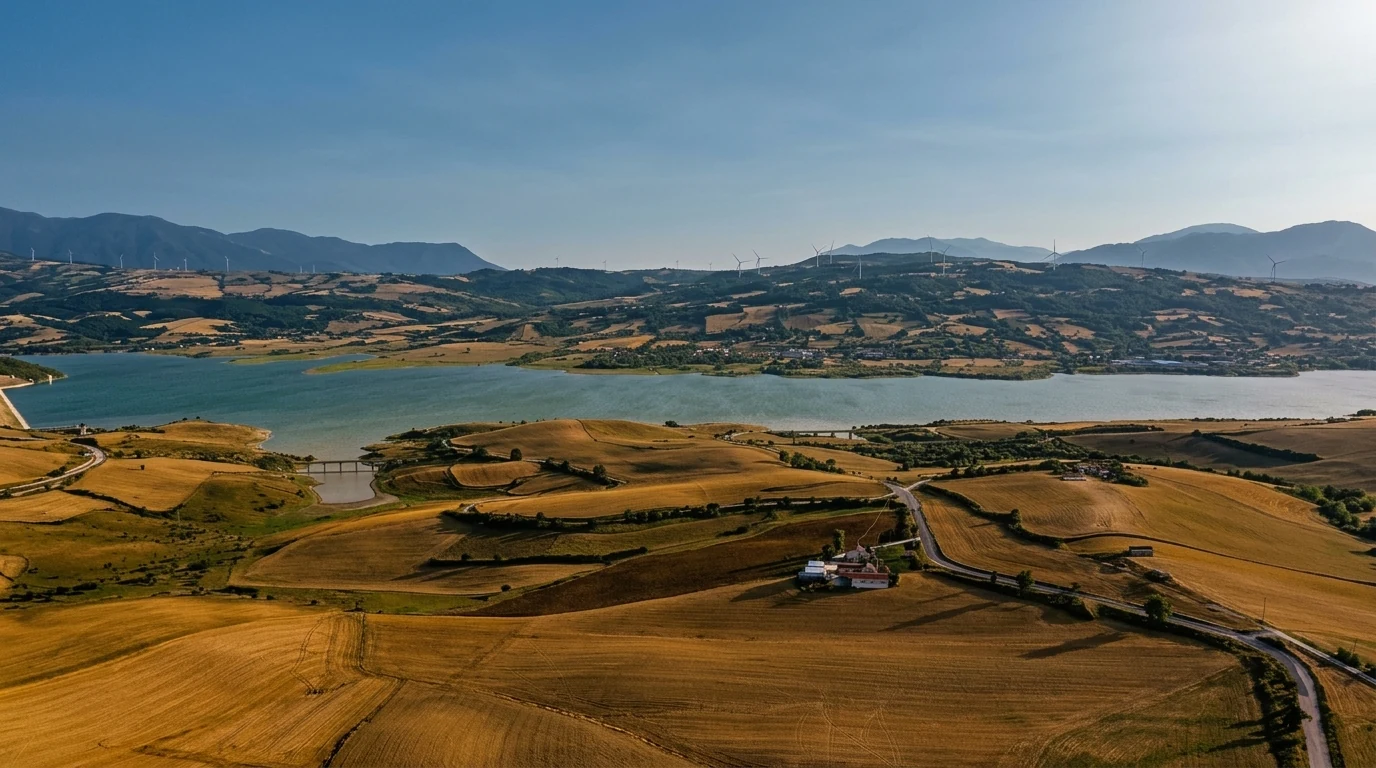
The reservoir
Made by people,now wild
Built in the 1980s as a reservoir on the river Ofanto, Lake Conza turned farmland into an ecosystem. The water drew the vegetation, the vegetation drew the insects, the insects drew the bees.
Today the lake is the centre of an ecological corridor linking the Lucanian Apennines to the Sele valley. Reed beds, willow groves and wet meadows grow along its shores, home to the dice snake, the osprey and the grey heron.
The lake also shapes the honey seasons: the body of water softens spring frosts, lengthens the summer blooms and favours a late harvest.
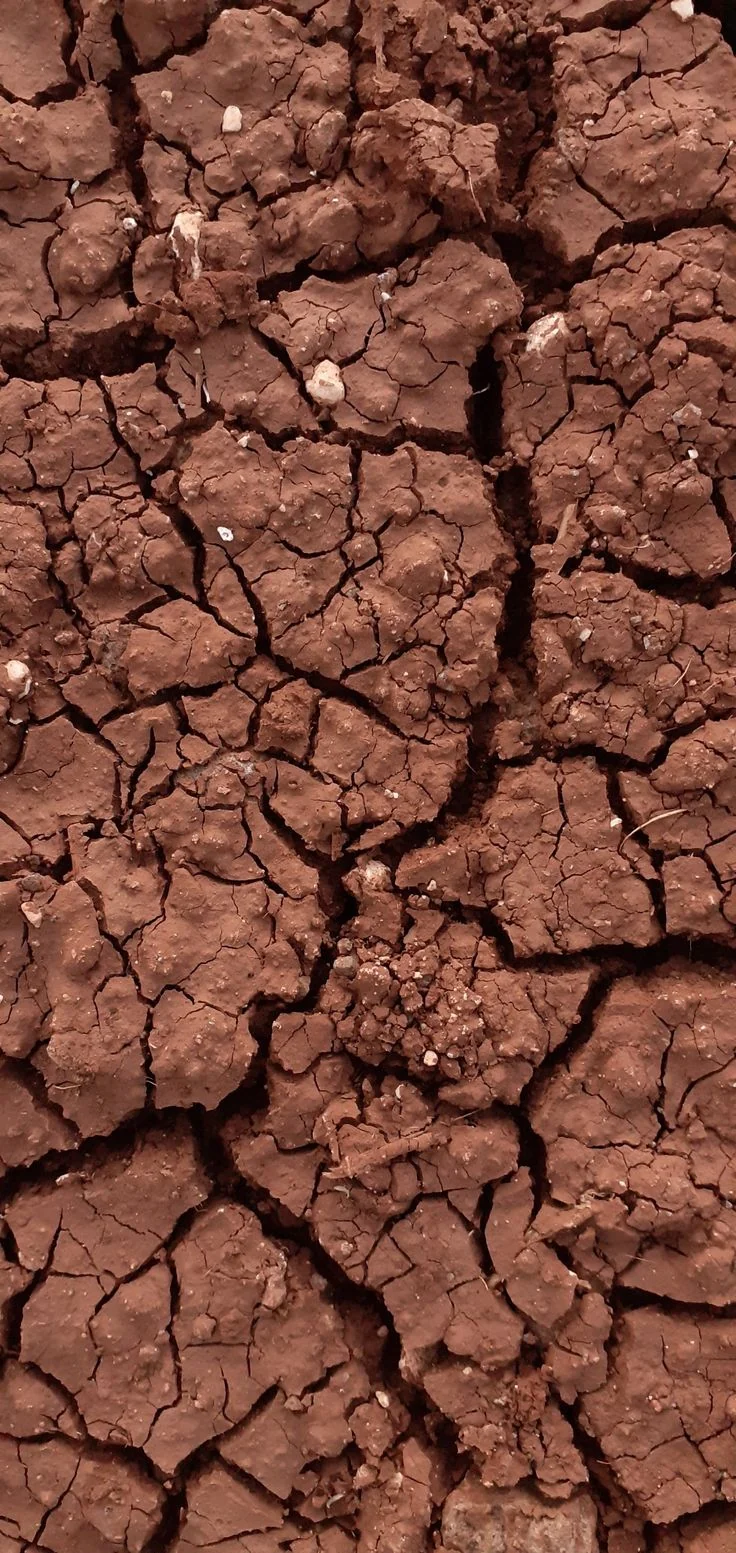
The soil
The clayyou can tastein the honey
The soils around Conza are mostly clay, remnants of a Miocene seabed lifted up when the Apennines formed. Clay holds moisture through the dry months, so plants flower for longer, and releases minerals to whatever puts down roots in it.
Sulla is the clearest example: it loves heavy soils and gives the minerals back as a faint grassy, saline note in the honey. That is why we speak of cru: as in a wine with a sense of place, the soil is an ingredient.
On the map
Where the honeyis born
The map uses OpenStreetMap: if you load it, your IP address reaches their servers.
- Priscilla apiary
- WWF Oasis and lake
- Flowering areas
The ecosystem
Biodiversitymeans quality
Priscilla's bees don't face a monoculture, but a landscape. Every flowering plant adds a nuance; every species living here is a sign of balance.
Sulla
Hedysarum coronarium, an annual legume that flowers in May on clay soils. Purple-red flowers rich in nectar. It is the basis of our Cru delle Argille.
Black locust
Native to North America, naturalised in the damp valleys. It flowers for only 8–12 days but is very rich in nectar: it gives a clear honey that crystallises slowly.
Wild flowers
Clover, alfalfa, sulla, knapweed, borage, rockrose, thyme, oregano. The more species in flower, the more complex our Millefiori.
The birds of the Oasis
Osprey, grey heron, whiskered tern, kingfisher, little bittern. Where such sensitive species live, the environment is healthy: for bees too.
Lake wildlife
Pike, carp, tench, eel, crayfish. The water quality, monitored by the WWF, supports the riverside habitats where nectar-bearing plants grow.
Wild pollinators
Bumblebees, mason bees, Vanessa and Polyommatus butterflies. Our Apis mellifera ligustica share the land with dozens of wild species.
The rhythm of the land
The apiary'sfour seasons
Spring
March – May
- Colonies wake up
- Sulla in bloom (May)
- Acacia in bloom (April–May)
- First honey harvest of the year
- Inspections and swarming
Summer
June – August
- Wildflower harvest
- Late blooms: oregano, thyme
- Main honey harvest
- Varroa monitoring
- Managing heat in the hive
Autumn
September – November
- Getting ready for winter
- Honey stores for the bees
- Mite treatments
- Final hive inspection
- Gathering the season's data
Winter
December – February
- Bees resting in the winter cluster
- Hive maintenance
- Analysis and botanical study
- Planning the season
- Keeping in touch with those waiting for the vintage
In numbers
A yearin the apiary
- How far the bees usually forage
- 3 km
- Of honey per hive in a good season
- 60+ kg
- Bees in a hive at the summer peak
- 50.000
- Days of acacia bloom
- 8–12
A bee normally gathers nectar within 2–3 km of the hive, and only goes further if there are no flowers nearby. Around the Priscilla apiary that circle covers almost 30 km² of Oasis and hills.
With a favourable spring a hive can produce 60–80 kg; in years of drought or late frost it drops to 20–30 kg.
A healthy hive in summer holds 50,000–80,000 bees. A worker lives 6–7 weeks.
Rain, wind or unusual heat can shrink the window to 5 days and wipe out the harvest.